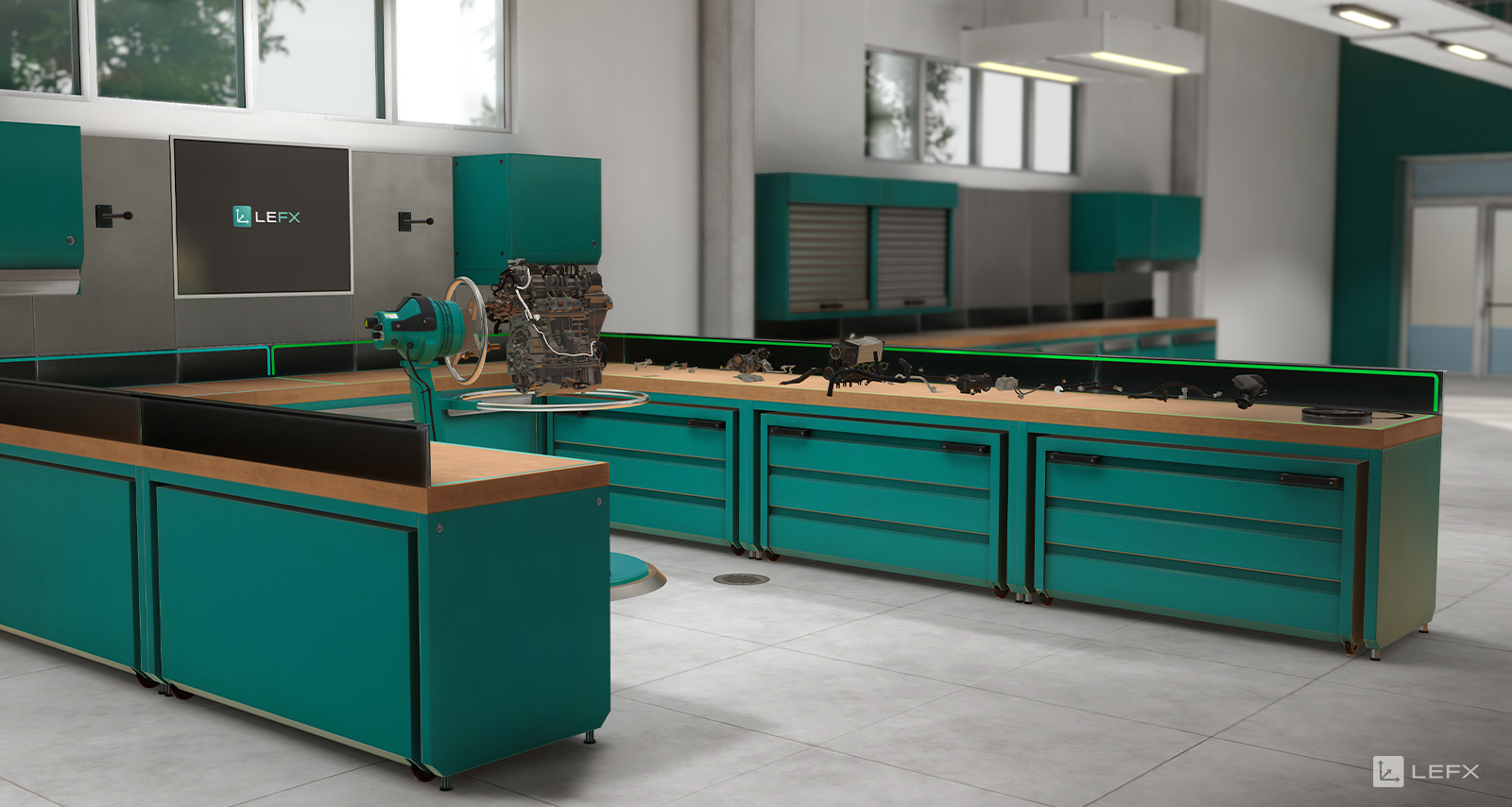
Modular VR Engine Training
Power of VR
Anyone who has experienced how quickly complex tasks become routine in VR understands why immersive training is indispensable in industry. Our VR Engine Training proves that this is not just marketing hype, but real results: an application that demonstrates what is possible when you consistently harness the potential of this technology to develop a well-designed, modular training framework.
Start your Engines – Scale it Up
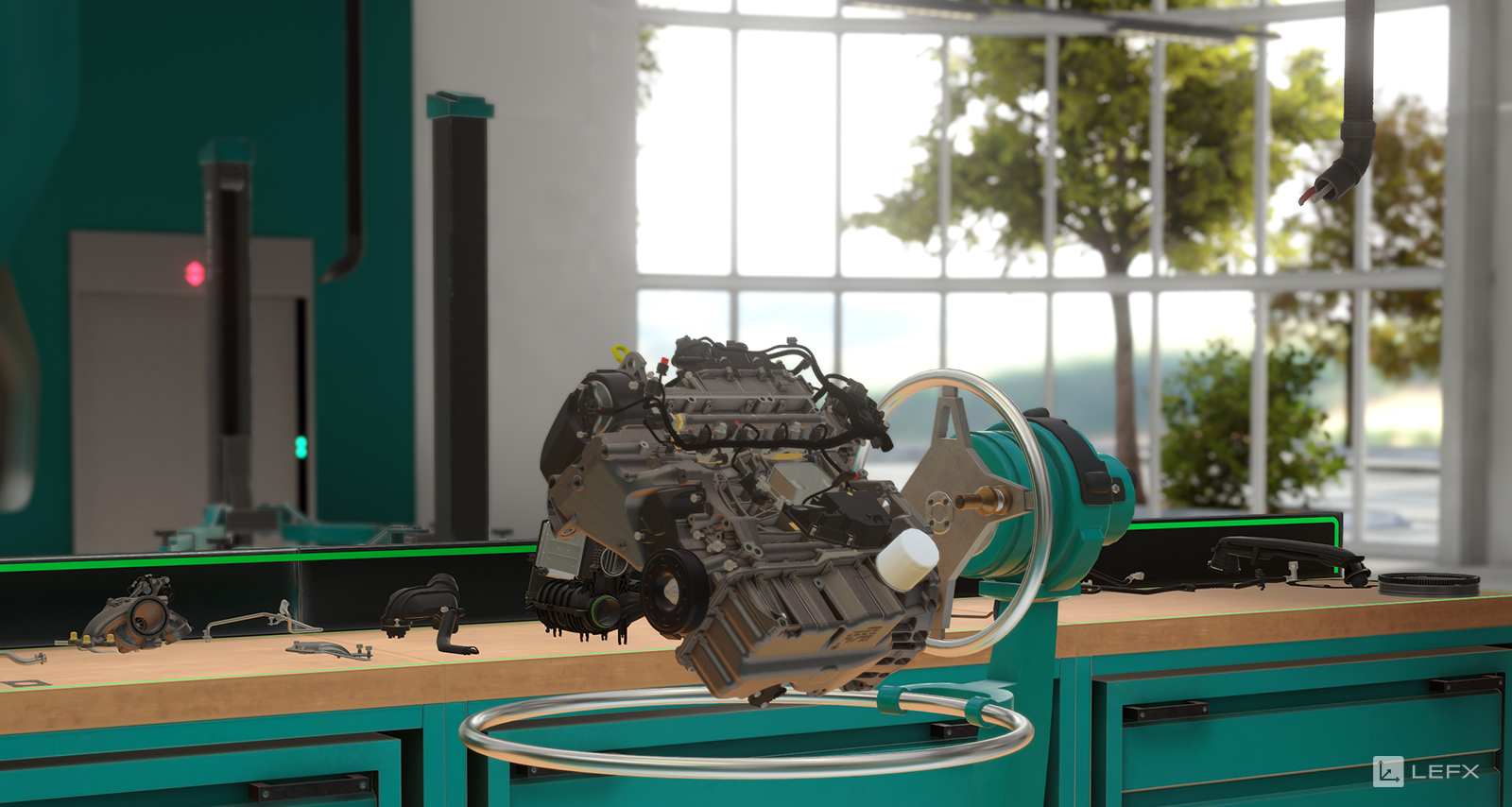
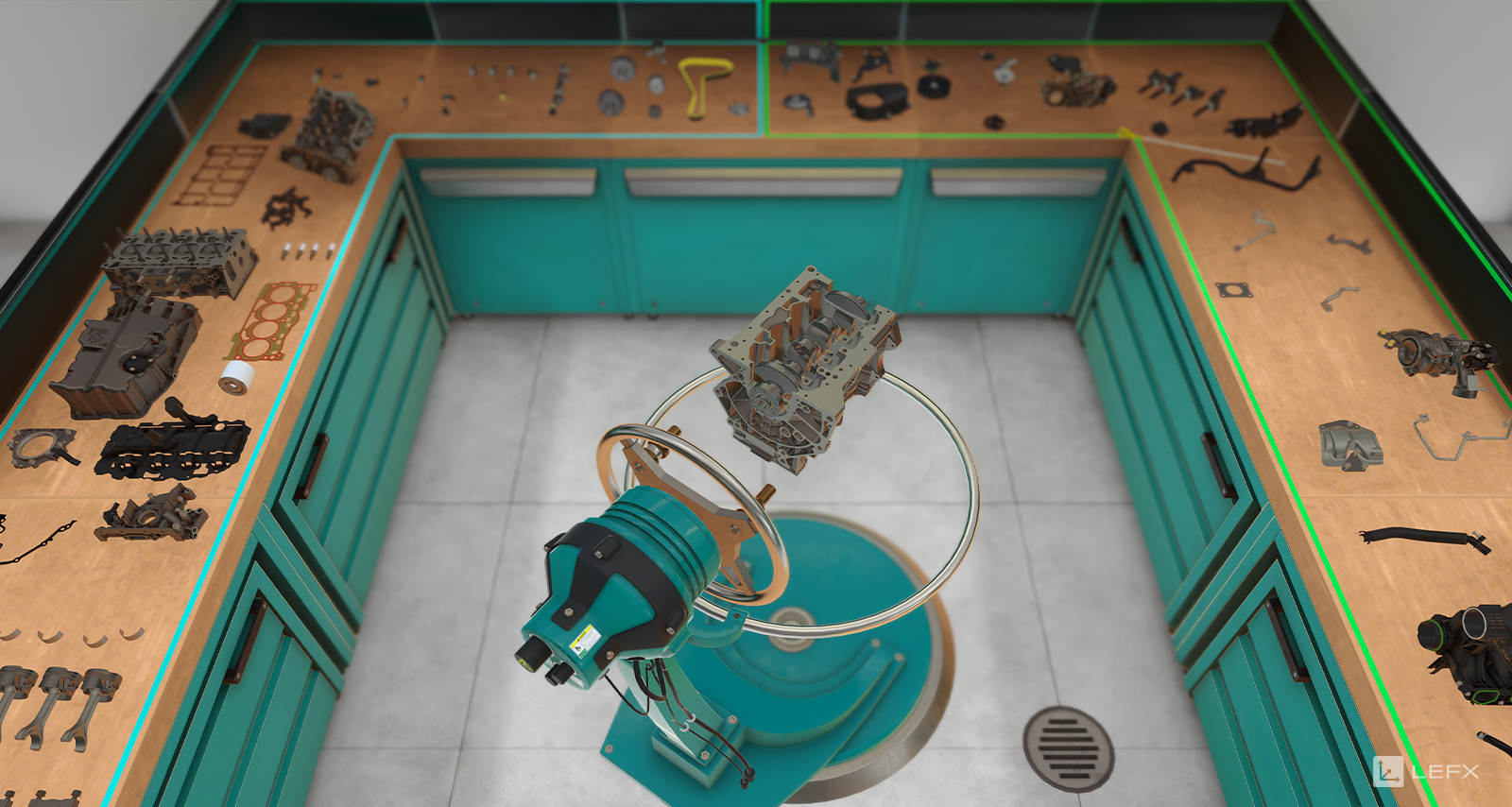
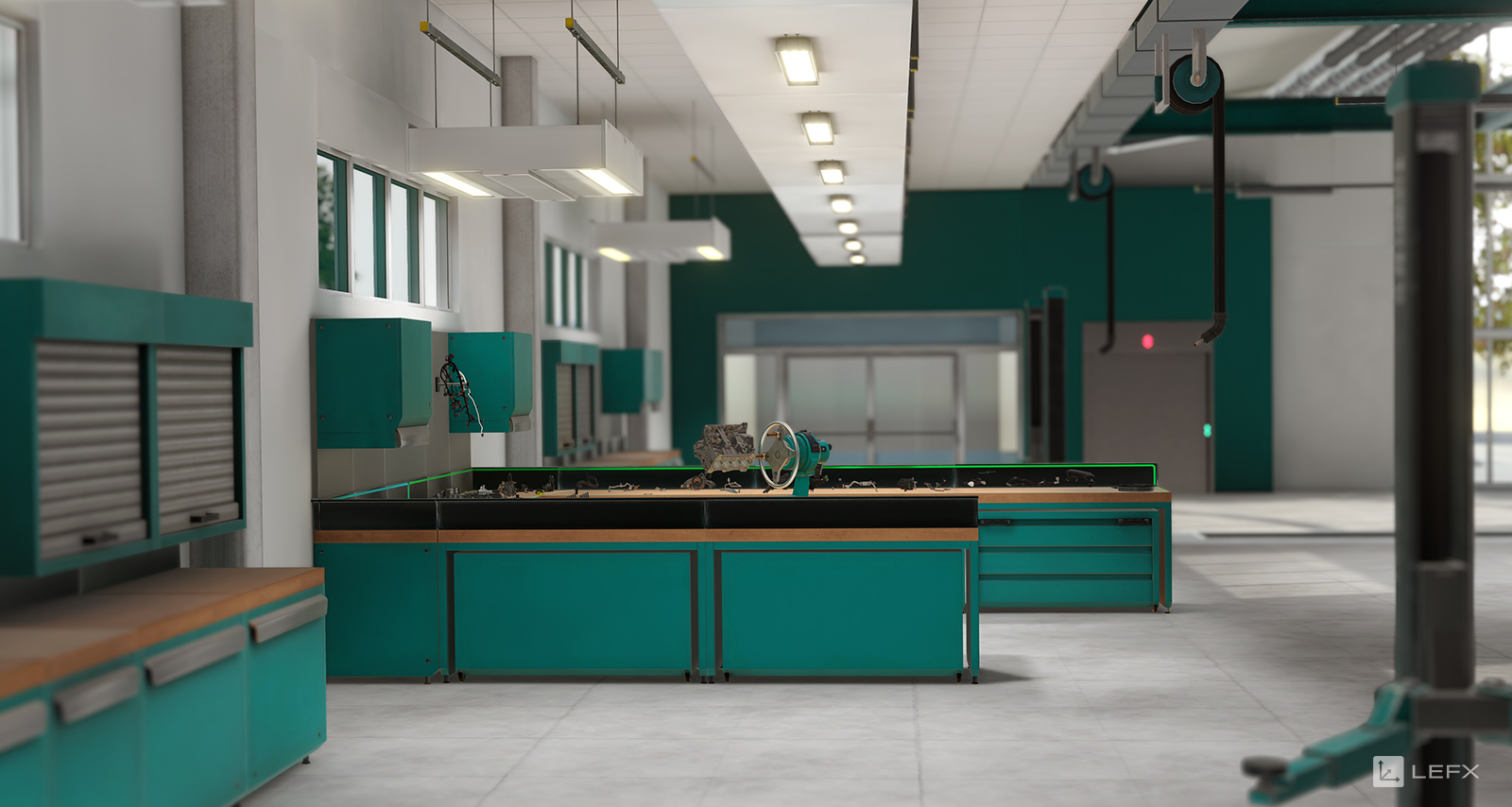
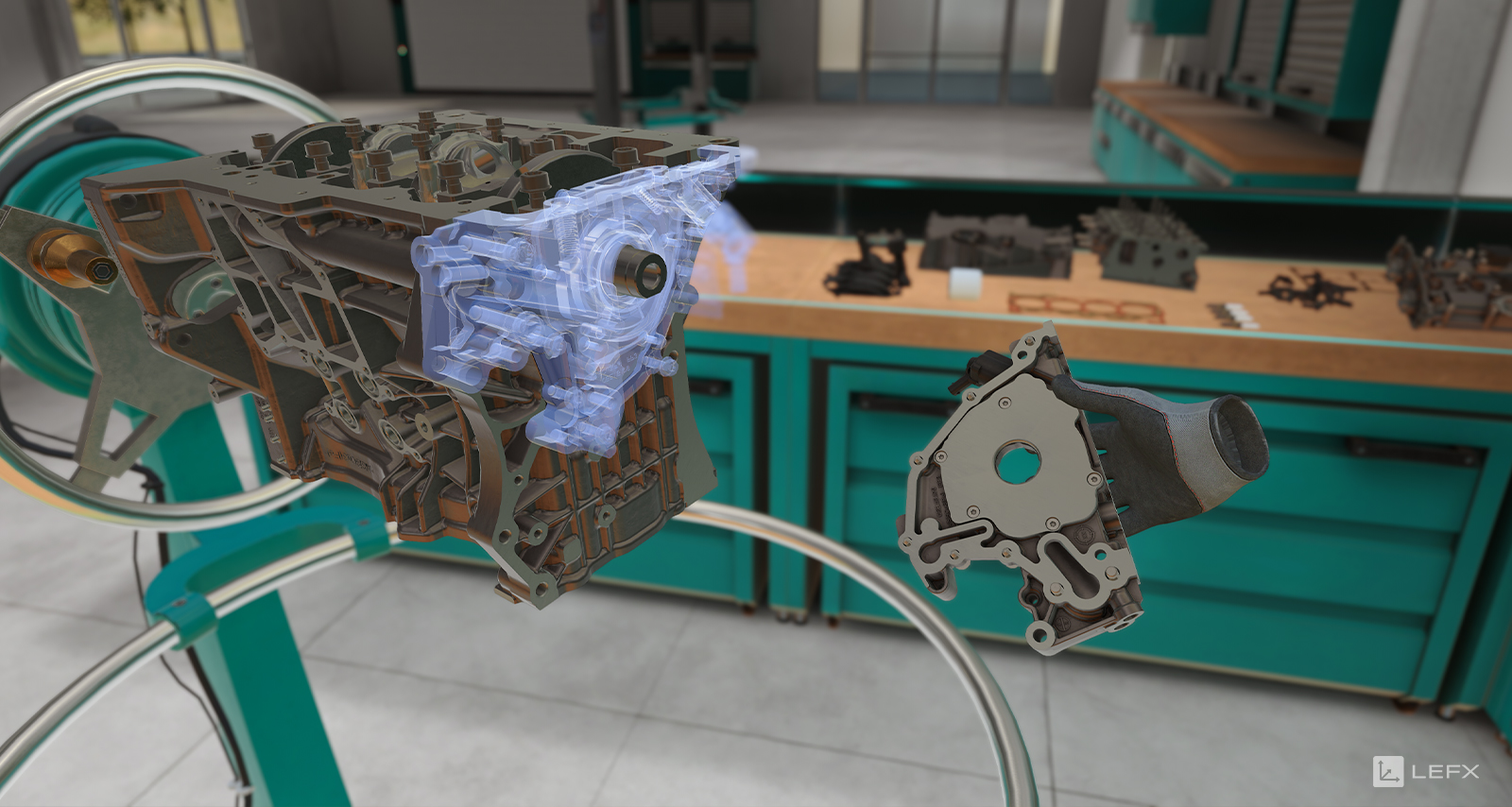
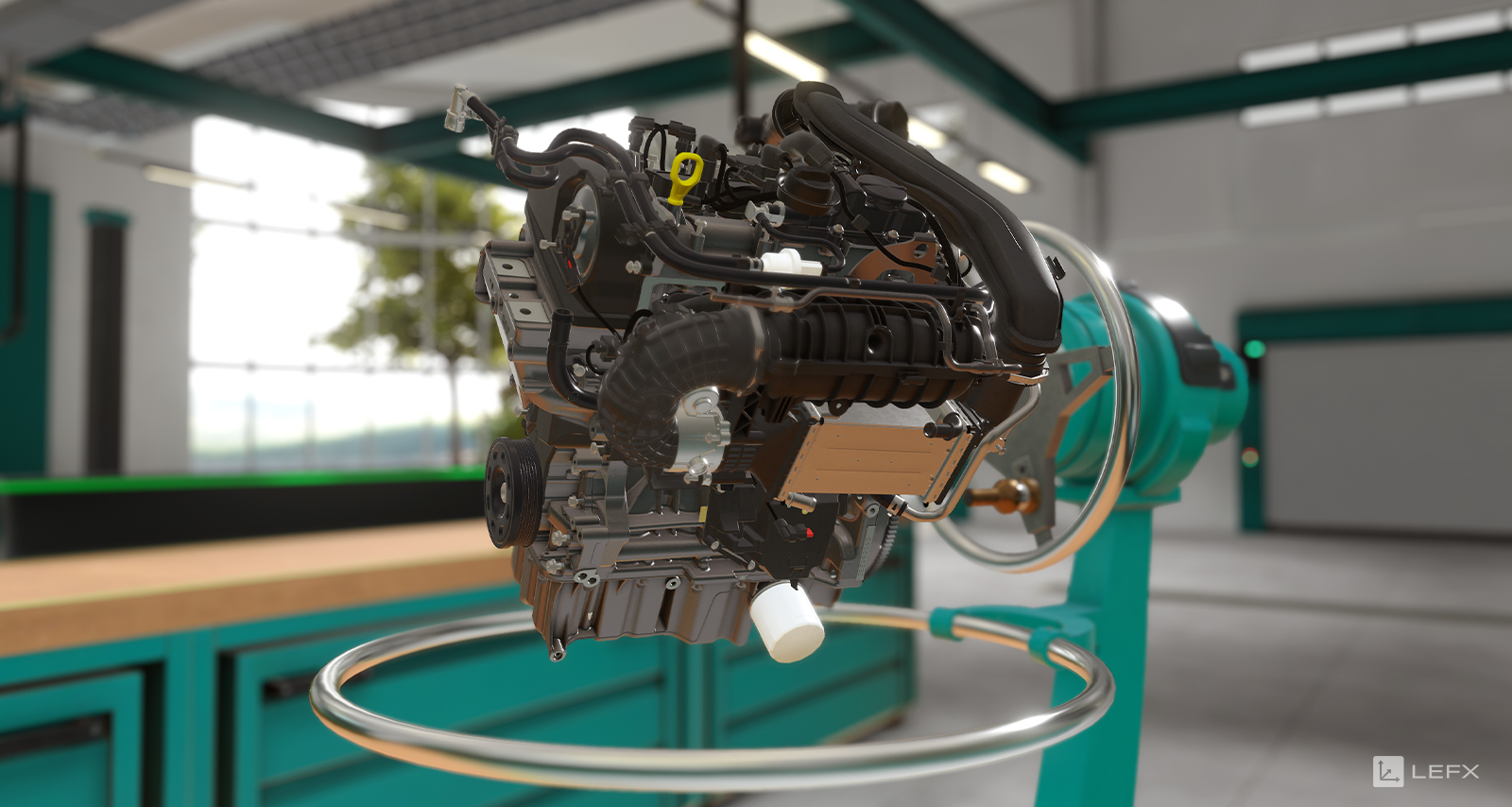
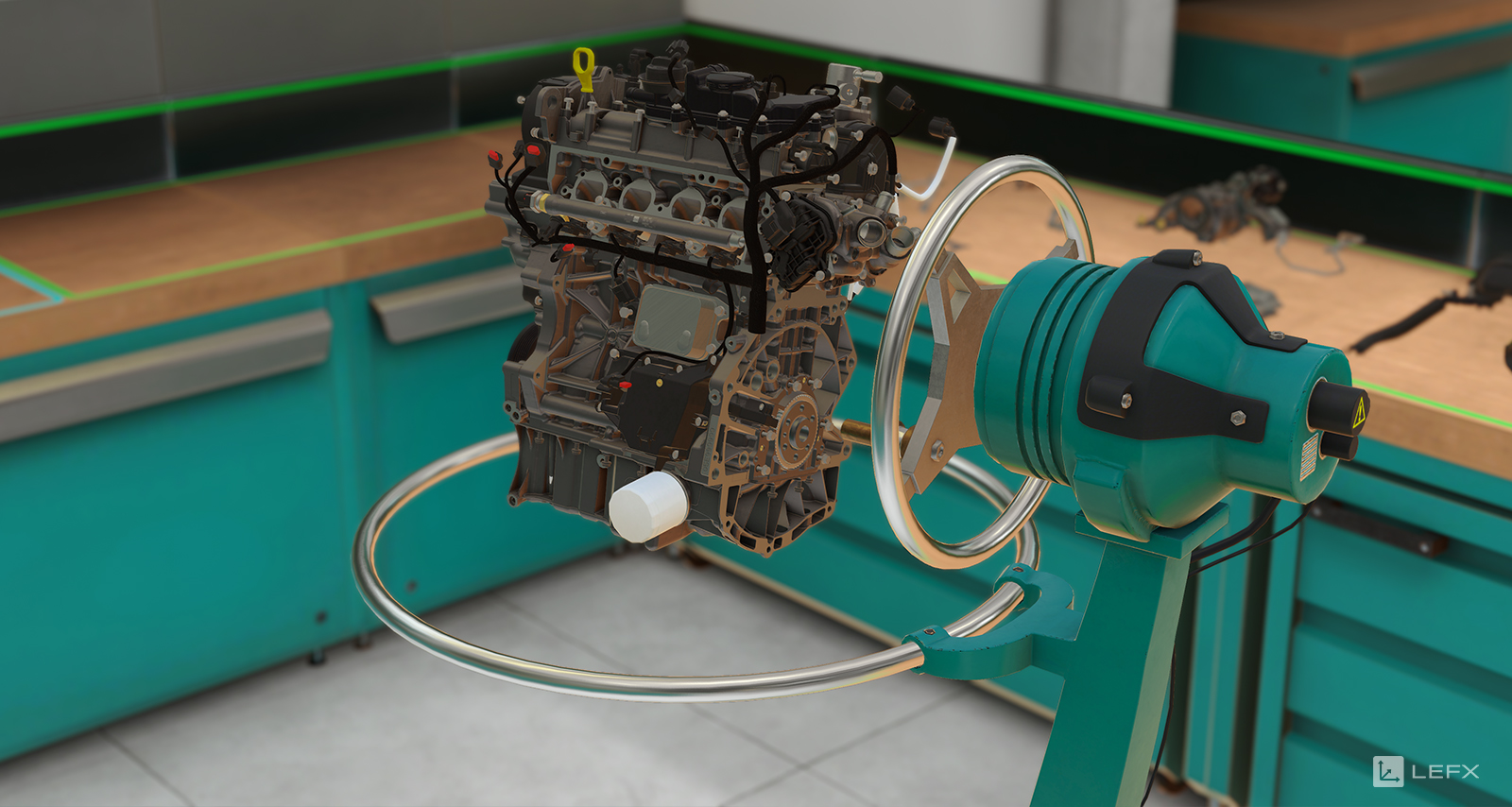
It all began with a collaboration between Volkswagen and the Volkswagen engine plant in Chemnitz: a virtual training program that guides employees through the assembly of a modern internal combustion engine. The application demonstrated that VR training works in industry, that it makes technically complex content accessible, and that it improves learning processes in the long term. But for us, it was the starting point for something bigger…
Framework Changes Everything
Based on this experience, we have redesigned our virtual training using our XR Training Framework. The framework is based on VR Builder, an open-source extension for Unity developed by MindPort.
This approach eliminates the need to develop training processes from scratch, allowing them to be assembled from a growing library of proven building blocks. These can, of course, also be customized and expanded.
A single figure illustrates what this means in practice: Our modular training was rebuilt in less than a month. Without the framework, the same effort would have taken approximately 60–70% more time.
Build it Visual
What makes working with the VR Builder unique is its visual workflow editor. Training processes are not created in code here, but as a node graph. This means that each step is created as a separate node, assigned actions, and linked to the next step via conditions. This allows even complex workflows to be clearly structured, modified later, and further developed by different teams—all without requiring in-depth programming knowledge.
Since the platform is built on an open API, it is ready for what comes next: AI-powered tools that can further automate and accelerate training creation.
Run Anywhere
Enterprise-ready. Device-agnostic. Ready to use.
Whether in a training center, at a trade show, or right on the factory floor, the training adapts to the existing hardware—not the other way around. Thanks to OpenXR, our application runs on all popular headsets—from PC VR systems to Meta Quest 2 and 3, all the way to PICO 4 and PICO 4 Ultra—meaning all standalone devices, without a PC and without annoying cables.
This isn’t just a minor technical detail. It means that companies don’t have to invest in a specific ecosystem of devices; instead, the application can adapt to any existing infrastructure.
Modular. Scalable. Cost-effective.
What sets a framework apart from a good individual project is its reusability. This eliminates the need for a one-time development effort that may not pay for itself in the end. Instead, we offer a framework that becomes better and more cost-effective with every new training session!
Each training course builds on existing development. That’s why all building blocks, logic, and interaction patterns are available for new projects, reducing development costs with every subsequent application. Whether it’s robotics training, maintenance training, or safety instruction: what has been proven today in motor assembly can be applied to any industrial process tomorrow.
Key to Success
Rapid development, wide-ranging applications, lasting learning outcomes—all while reducing costs per training session.
That’s how we use open-source technology to develop scalable, modular, and immersive training applications for any process.
Curious about what our XR Training Framework can do for your training environment? Then get in touch with us!